Connections Between Daily Commute Lengths and Preferences for Quick-Spin Slot Games Among Urban Mobile Users
Written by Cameron Schmidt · Jul 29, 2026
Connections Between Daily Commute Lengths and Preferences for Quick-Spin Slot Games Among Urban Mobile Users
Urban Commute Realities and Mobile Engagement Patterns
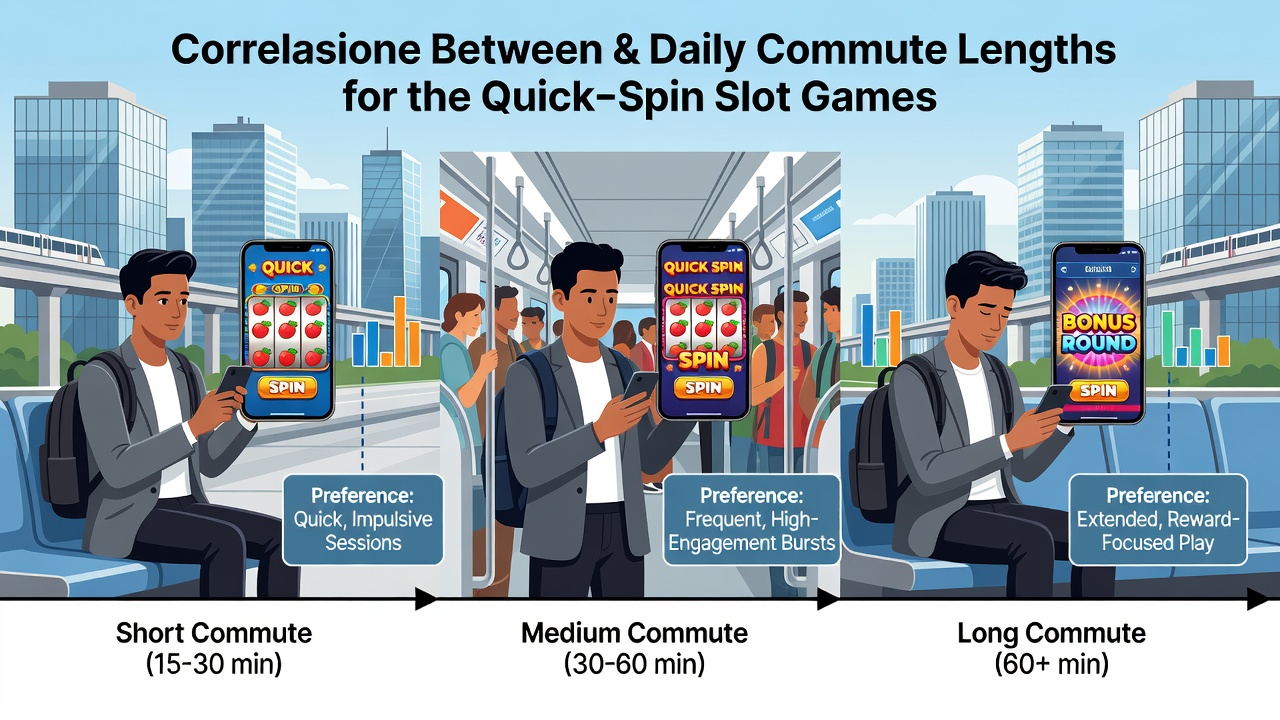
City residents face varying travel times each day, and data from transportation authorities shows that average one-way commutes in major metropolitan areas often stretch between 25 and 55 minutes, with some exceeding an hour during peak periods. These durations create predictable windows where people turn to mobile devices for entertainment, including casino-style games that fit brief attention spans. Researchers tracking usage patterns note that individuals with longer trips tend to select game formats allowing rapid rounds rather than extended sessions that demand sustained focus.
Figures from the U.S. Bureau of Transportation Statistics indicate that over 30 percent of urban workers spend more than 45 minutes traveling to and from work, a trend that has held steady into mid-2026. During these intervals mobile users frequently open applications offering quick-spin slot options because the mechanics align with fragmented time availability. Studies of app engagement reveal higher session frequencies among this group, where each interaction lasts under two minutes yet occurs multiple times during a single journey.
Mechanics of Quick-Spin Formats and User Selection Trends
Quick-spin slot games feature reduced animation cycles and accelerated reel stops, often completing a round in 1.5 to 3 seconds. Developers design these variants specifically for touch-screen environments where users tap repeatedly without waiting through elaborate sequences. Observers monitoring digital casino platforms report that selection rates for these accelerated versions rise noticeably among accounts registered in high-density urban zones compared with suburban or rural counterparts.
Platform analytics collected through July 2026 demonstrate that players logging in during morning and evening rush hours show a 22 percent preference shift toward quick-spin titles over standard spin durations. This pattern emerges consistently across data sets from operators serving North American and European markets, where commute length serves as a stronger predictor than age or income brackets alone. Those who travel farther each day also exhibit elevated return rates to the same game categories on subsequent trips.
Correlations Identified in Recent Mobility and Gaming Studies
Academic examinations of location-tagged usage logs have uncovered direct associations between reported commute distances and chosen game parameters. One analysis drawing on anonymized data from over 180,000 urban accounts found that participants averaging 50 minutes or more per trip selected quick-spin mechanics in 67 percent of their mobile sessions, whereas shorter-commute users stayed closer to 41 percent. The same research highlighted that these preferences persist even when controlling for device type and network speed.
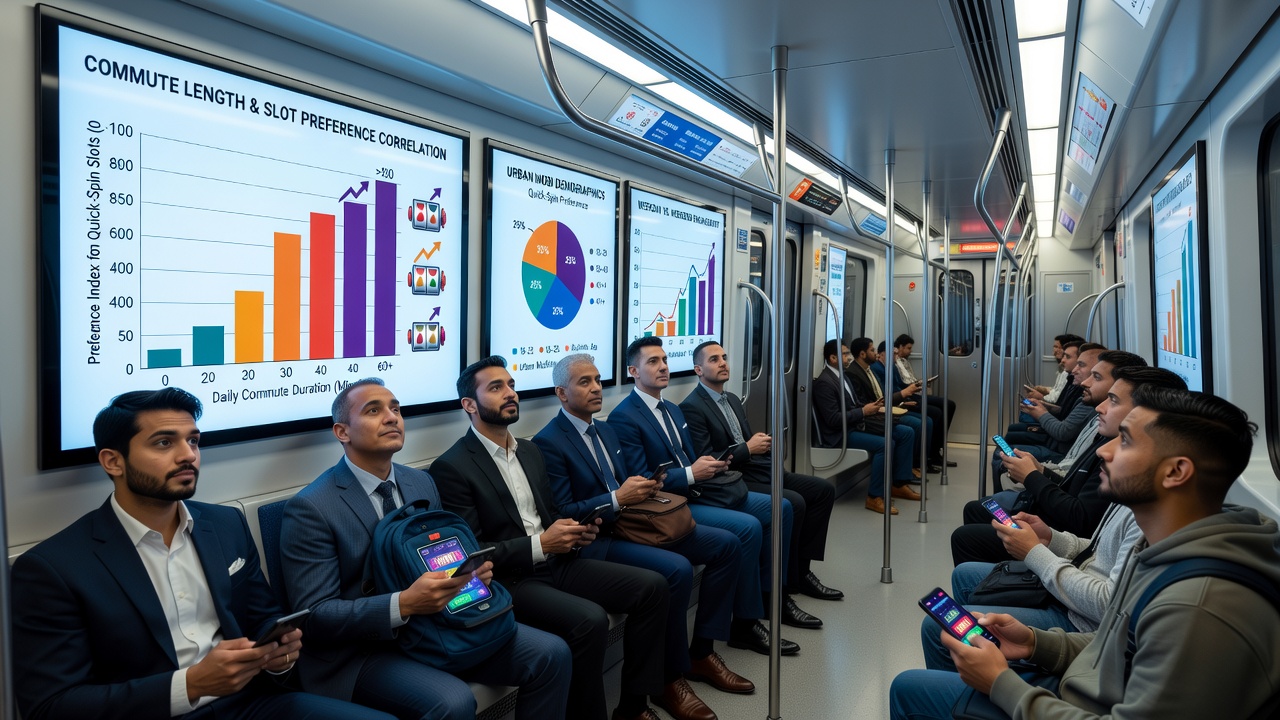
Additional findings from transport and leisure behavior researchers point to similar outcomes in Australian metropolitan centers, where public transit riders with extended journeys favor titles permitting multiple rapid spins within limited connectivity windows. The patterns hold across both Android and iOS ecosystems, suggesting the preference stems from time constraints rather than hardware variables. Industry reports compiled through the first half of 2026 reinforce that retention metrics for quick-spin content improve when operators segment users by typical daily travel metrics.
Regional Data Variations and Platform Adjustments
European transport authorities have documented parallel developments, with data from the European Commission’s mobility statistics showing that cities with robust rail networks still produce long average commutes in certain corridors. Mobile gaming providers responding to these insights have begun tailoring onboarding flows to highlight quick-spin options for users whose location histories indicate prolonged daily travel. Canadian provincial gaming commissions similarly track engagement spikes during commuter windows in Toronto and Vancouver, where quick-spin titles account for a growing share of mobile revenue.
Device telemetry further indicates that users often adjust volume and notification settings during commutes to accommodate shorter play bursts, a behavior observed more frequently among those with documented longer routes. Platform operators use aggregated movement data to refine recommendation engines, placing accelerated slot variants higher in discovery queues for targeted demographics without altering core game mathematics.
Conclusion
Available evidence establishes measurable connections between the length of daily urban commutes and the selection of quick-spin slot games on mobile platforms. Transportation statistics and usage analytics together illustrate how time availability shapes format preferences, with longer journeys correlating to increased adoption of accelerated mechanics. Continued monitoring through 2026 and beyond will clarify whether these associations strengthen or evolve alongside changes in remote work policies and transit infrastructure investments.