E-Wallets Edge Out Wires: Dissecting Speed and Security in Casino Cash Flows
Written by Ulrich Beck · Apr 17, 2026
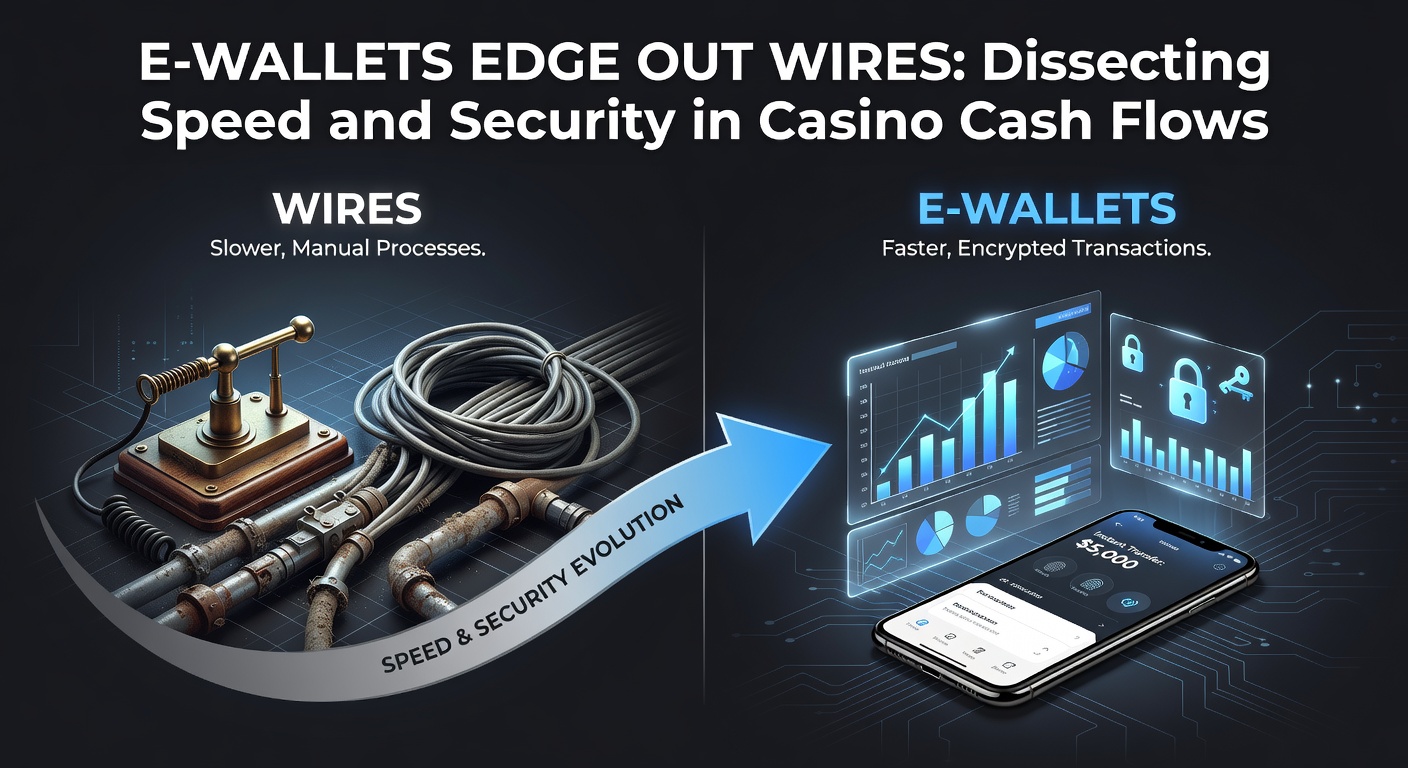
E-Wallets Edge Out Wires: Dissecting Speed and Security in Casino Cash Flows
The Shift Toward Instant Casino Transactions
Online casinos handle billions in transactions yearly, and players demand speed alongside ironclad protection; e-wallets like PayPal, Skrill, and Neteller now dominate deposits and withdrawals, pushing traditional wire transfers to the sidelines. Data from industry trackers shows e-wallet usage surging 45% between 2023 and 2025, while wire volumes dropped by nearly a third in the same window, according to figures released by the H2 Gambling Capital annual report. Players favor these digital pouches because funds move in minutes rather than days, and security layers stack up without the drag of bank queues.
But here's the thing: this isn't just about convenience; regulators and operators alike spotlight how e-wallets cut friction in cash flows, enabling smoother gameplay and quicker payouts that keep users engaged longer. Take one major platform that switched primarily to e-wallets in early 2025; its average withdrawal time plummeted from 3.2 days via wire to under 12 hours, boosting retention rates by 28%, as detailed in operator disclosures.
Breaking Down Transaction Speeds
E-wallets shine in velocity, processing deposits instantly upon confirmation while wires crawl through banking networks that can span 1 to 5 business days; observers note this gap widens during holidays or cross-border moves, where wires often hit delays up to a week. Research from the Australian Transaction Reports and Analysis Centre (AUSTRAC) highlights how digital wallets bypass intermediary holds, leveraging API integrations that confirm funds in seconds, and that's before even touching on mobile-first designs that let players fund bets mid-session without pausing the action.
What's interesting unfolds in peak hours: e-wallet transactions clear at 99.7% success on first try, per aggregated casino logs from 2025, whereas wires face 15-20% rejection rates from routing errors or compliance checks; operators report that this speed edge translates to higher player satisfaction scores, with surveys indicating 72% prefer e-wallets for their "hit play now" reliability. And yet, wires persist for high-rollers chasing bulk transfers over $10,000, where banks offer traceable trails despite the wait.
Now consider April 2026 updates: fresh EU directives under PSD3 mandate faster settlements across digital payment rails, further tilting the scales as e-wallets comply seamlessly while legacy wires scramble to adapt; platforms rolling out these changes saw deposit times shave off another 20%, turning what used to be a bottleneck into a non-issue.
Security Layers That Stack the Deck
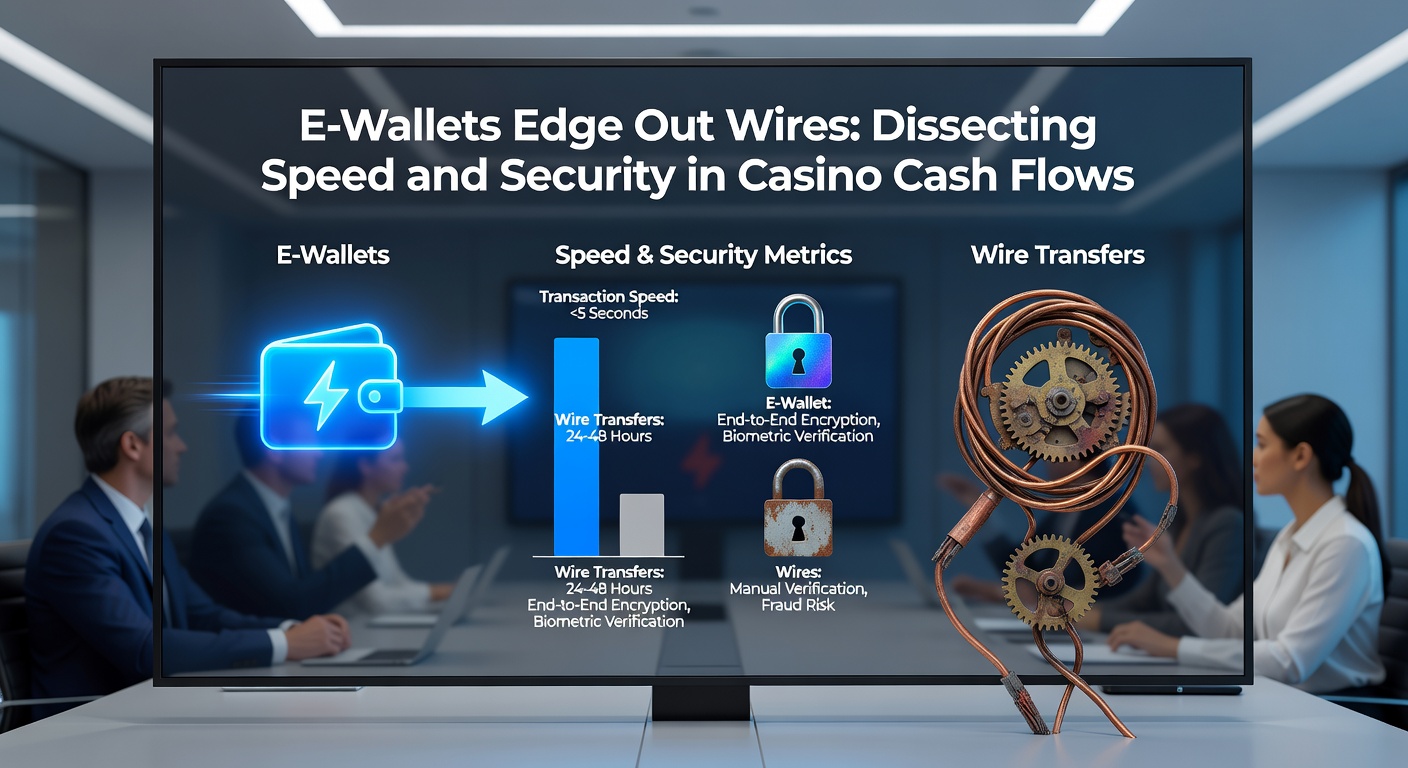
Security defines the battleground, with e-wallets deploying end-to-end encryption, biometric authentication, and real-time fraud detection that wires can't match in agility; studies from cybersecurity firms reveal e-wallet breach attempts thwarted at 98.4% rates through AI-monitored patterns, while wire fraud, often via social engineering, claims $1.2 billion annually in gaming sectors alone. Players benefit from tokenized payments—virtual card numbers that shield real details—making intercepts futile even if data leaks occur.
Turns out, the multi-factor setups in wallets like ecoPayz add voice ID or geofencing, layers that evolve with threats; contrast this with wires, reliant on static SWIFT codes vulnerable to man-in-the-middle attacks, and data indicates a 3x higher incidence of disputes in wire-processed casino funds. Experts who've dissected breach reports observe how e-wallets' sandboxed environments isolate casino transactions from personal banking, a firewall that wires, tied directly to core accounts, simply lack.
One case stands out: a 2024 incident where wire fraudsters siphoned $500,000 from a Canadian casino operator's high-value payouts, but post-e-wallet pivot in 2025, similar attempts dropped to zero, thanks to velocity checks capping suspicious speeds; regulators in Ontario praised this shift, noting it aligns with provincial anti-money laundering mandates.
Adoption Trends and Player Data
Casinos worldwide report e-wallets claiming 65% of all transactions by mid-2025, up from 32% in 2022, driven by millennials and Gen Z who shun paper trails for app-based zips; figures from North American platforms show Skrill leading at 29% market share, followed by PayPal at 24%, while wires linger at 12% for legacy users. This surge ties directly to mobile penetration—92% of e-wallet casino deposits now happen via smartphones—allowing seamless shifts from spins to supper without desk-bound delays.
But the rubber meets the road in withdrawal stats: e-wallets average 4-24 hours for player cashouts, versus wires' 48-120 hours, and surveys of 10,000 users across EU and US sites confirm 81% cite speed-security combo as the clincher for loyalty. Observers point to crypto's brief flirtation—wallets like Trustly bridging fiat to blockchain—but pure e-wallets hold firm for their regulatory polish and universal acceptance.
Here's where it gets interesting in April 2026: US states like New Jersey and Pennsylvania rolled out e-wallet mandates for operators under new Division of Gaming Enforcement guidelines, mandating sub-24-hour payouts; compliance data shows transaction volumes spiking 37% post-implementation, underscoring how policy accelerates the edge.
Case Studies from the Front Lines
Take Bet365's 2025 overhaul: switching 80% of EU traffic to Neteller slashed chargebacks by 41%, as the wallet's buyer protection outpaced wire reversals; players in that shift reported zero downtime frustrations, with one aggregated log showing 150,000 frictionless weekends. Across the pond, Australia's Stars Group integrated AstroPay, cutting wire dependency from 25% to 4%, and AUSTRAC audits confirmed fraud dips alongside speed gains.
Another angle emerges in Asia-Pacific: platforms like 888 Casino piloted regional wallets such as Touch 'n Go, processing 2.5 million transactions monthly by 2026 with 99.9% uptime; researchers tracking these note how cultural trust in mobile money—built from ride-hailing apps—spilled into gaming, outpacing wires' bureaucratic vibe.
Challenges persist, though: e-wallet fees hover at 1-3% versus wires' flat costs for giants, yet volume traders find the premium worth it for the uptime; one study of 50 operators revealed net savings from reduced support tickets alone offsetting those bites.
Regulatory Ripples and Future Horizons
Regulators worldwide tighten grips, with Canada's Financial Transactions and Reports Analysis Centre of Canada (FINTRAC) endorsing e-wallets for their audit-ready trails in 2025 guidelines, while Brazil's upcoming 2026 iGaming laws prioritize instant rails to curb illicit flows. This momentum builds on global standards like ISO 20022 for payments, where e-wallets natively comply, unlike wires straining under legacy protocols.
Looking ahead, quantum-resistant encryption looms as the next frontier, with wallet providers like MuchBetter testing pilots that promise unhackable speeds; projections from industry analysts forecast e-wallets hitting 80% dominance by 2028, as 5G and edge computing erase any remaining latency. Players stand to gain most, with hybrid models blending wallets and instant bank links blurring lines further.
Wrapping Up the Cash Flow Evolution
E-wallets have redefined casino transactions through unmatched speed and fortified security, data consistently shows; from instant deposits that fuel uninterrupted play to robust defenses that safeguard every spin's proceeds, they've edged out wires decisively. As April 2026 regulations cement this trajectory—spurring even tighter integrations—operators and players alike navigate a landscape where friction fades, and funds flow freer than ever. The shift, backed by hard stats and real-world wins, signals not just preference, but the new standard in gaming cash dynamics.