How Transaction Networks Influence Retention Patterns Among Table Game Participants on Portable Platforms
Written by Anna Powell · Jul 10, 2026
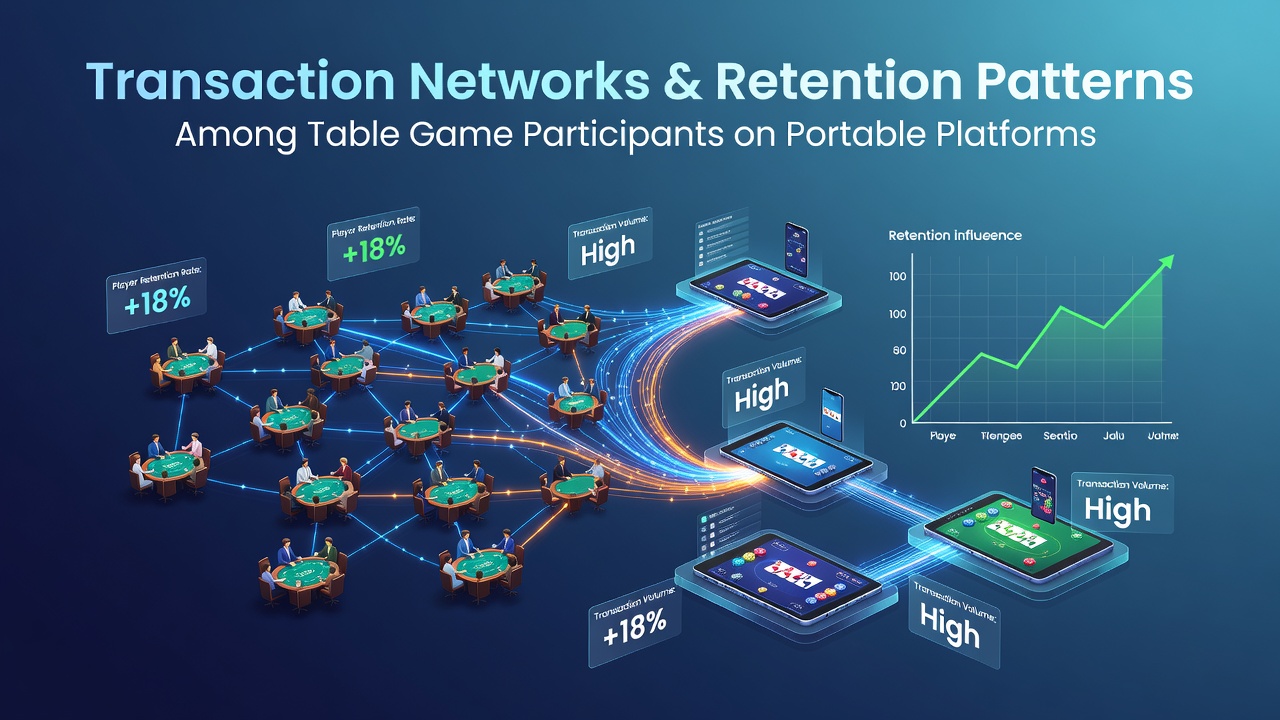
How Transaction Networks Influence Retention Patterns Among Table Game Participants on Portable Platforms
Transaction networks form the backbone of financial interactions in mobile table gaming environments, where participants engage with games like blackjack, roulette, and baccarat through portable platforms. These networks encompass payment processors, banking integrations, and digital wallet systems that handle deposits and withdrawals, directly shaping how players maintain their activity over time. Data from industry tracking in early 2026 shows that processing speeds and network reliability correlate with session lengths and return visit rates among table game users.
Core Mechanics of Transaction Networks in Mobile Settings
Portable platforms rely on interconnected systems that route funds through established channels such as card networks, ACH transfers, and emerging digital currencies. Researchers at institutions focused on gaming technology note that latency in these routes often determines whether a player completes a deposit during a live dealer session or abandons the attempt. When networks deliver confirmations within seconds, engagement metrics rise, whereas delays exceeding thirty seconds align with higher exit rates according to aggregated platform logs.
Security protocols embedded in these networks add another layer, as encrypted pathways reduce fraud incidents that might otherwise disrupt player accounts. Figures released by regulatory bodies indicate that platforms incorporating multi-factor authentication via transaction networks experience fewer account freezes, which in turn supports consistent participation patterns among table game enthusiasts.
Observed Retention Patterns Across Player Segments
Retention data collected through 2025 and into July 2026 reveals distinct behaviors tied to transaction method preferences. Players who favor instant settlement networks demonstrate longer streaks of weekly activity, with return rates climbing as deposit friction decreases. In contrast, those routed through slower batch-processing systems show more sporadic engagement, often tied to payroll cycles or manual verification steps.
One analysis of user cohorts found that table game participants using integrated e-wallet options completed an average of 2.3 more sessions per month than counterparts limited to traditional wire services. This pattern holds across regions where portable gaming has expanded, suggesting that network choice influences habit formation rather than isolated events.
Regional Data and Regulatory Context
Reports compiled by the New Jersey Division of Gaming Enforcement highlight how state-licensed mobile operators track transaction success rates against player longevity. Their datasets from the first half of 2026 link higher approval volumes through certain card networks with sustained table game play, particularly during evening hours when portable usage peaks.
Academic examinations from the University of Nevada, Las Vegas Center for Gaming Research further separate network types by their impact on churn. Studies there emphasize that fee structures within transaction pathways can shift player migration between platforms, wth lower-cost routes preserving activity levels over multi-month periods.
Network Transitions and Player Behavior Shifts
Platform operators have documented cases where upgrades to faster transaction rails coincide with measurable lifts in retention. For instance, integration of real-time banking confirmations has allowed seamless movement from slots to table games without re-authentication pauses, encouraging continued participation. Those who studied transition logs observe that players encountering fewer interruptions during fund movements tend to explore additional table variants rather than logging off.
Yet network outages or regional restrictions produce the opposite effect, prompting temporary drops in activity that sometimes extend into permanent disengagement. Data indicates these disruptions hit table game segments harder than other categories because live sessions demand immediate funding access.
Conclusion
Transaction networks continue to serve as pivotal factors in how table game participants on portable platforms sustain their involvement. Patterns extracted from operational records and regulatory filings demonstrate clear ties between processing efficiency, security features, and long-term return rates. As mobile infrastructure evolves through 2026, ongoing monitoring of these networks will clarify their role in supporting consistent engagement across diverse user groups.