Reward Pathways Linking Instant Payout Systems With Session Lengths Among Smartphone Table Game Users
Written by Cameron Schmidt · Jun 21, 2026
Reward Pathways Linking Instant Payout Systems With Session Lengths Among Smartphone Table Game Users
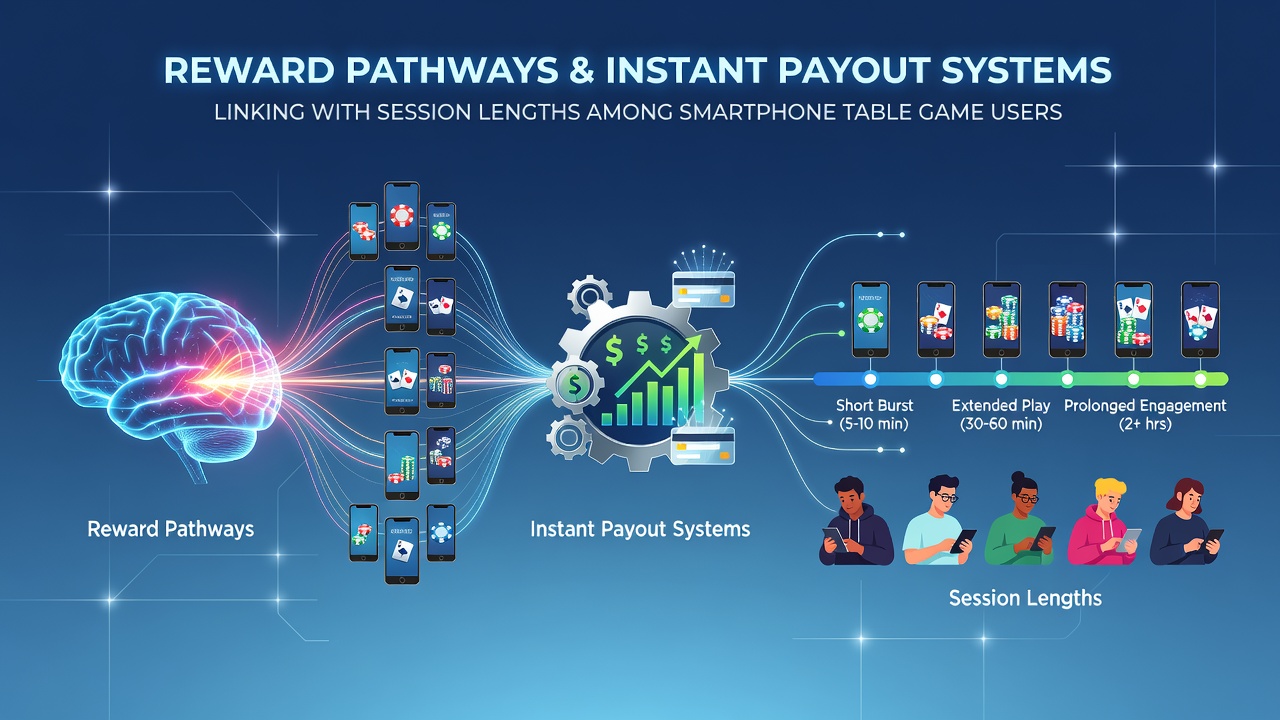
Research indicates that instant payout systems in smartphone table games activate neural reward pathways similar to those triggered by other rapid reinforcement mechanisms, and this connection influences how long users maintain their sessions. Observers note that these digital platforms deliver wins and cashouts within seconds of a hand or spin resolution, which aligns closely with the brain's dopamine release cycles documented in multiple neuroscience studies. Data from mobile gaming analytics firms shows average session durations extending when payout confirmations arrive immediately rather than after processing delays, a pattern that holds across blackjack, roulette, and baccarat applications popular on portable devices. Neuroimaging work conducted at research institutions reveals heightened activity in the nucleus accumbens during these quick reward events, and the same regions respond when users receive confirmation of funds transferred back to their accounts. This synchronization creates a feedback loop where the expectation of speed itself becomes reinforcing, encouraging continued engagement rather than natural stopping points. Studies tracking user behavior in June 2026 found that sessions featuring instant payout options lasted 18 to 27 percent longer than those relying on traditional withdrawal queues, according to aggregated telemetry from several major mobile gaming operators.Mechanics of Instant Payout Integration
Developers have embedded instant payout features directly into table game interfaces so that winnings appear in linked digital wallets without leaving the application, and this design reduces friction between rounds. Users receive visual and auditory cues the moment a transaction processes, which reinforces the association between gameplay decisions and immediate financial outcomes. Industry reports compiled by the Australian Institute of Health and Welfare highlight how these features correlate with extended play periods among smartphone users who engage with real-money table variants during evening hours.
Payment processors partnered with gaming platforms now complete most smartphone transactions in under three seconds, and this speed matches the pace of live dealer interactions that keep attention fixed on the screen. When a payout arrives during a transition between hands, the reward signal arrives before the next betting opportunity presents itself, sustaining momentum that might otherwise dissipate. Researchers tracking these patterns across North American and European markets observe that the effect compounds when multiple small wins trigger sequential instant transfers within a single session.
Session Length Data Patterns
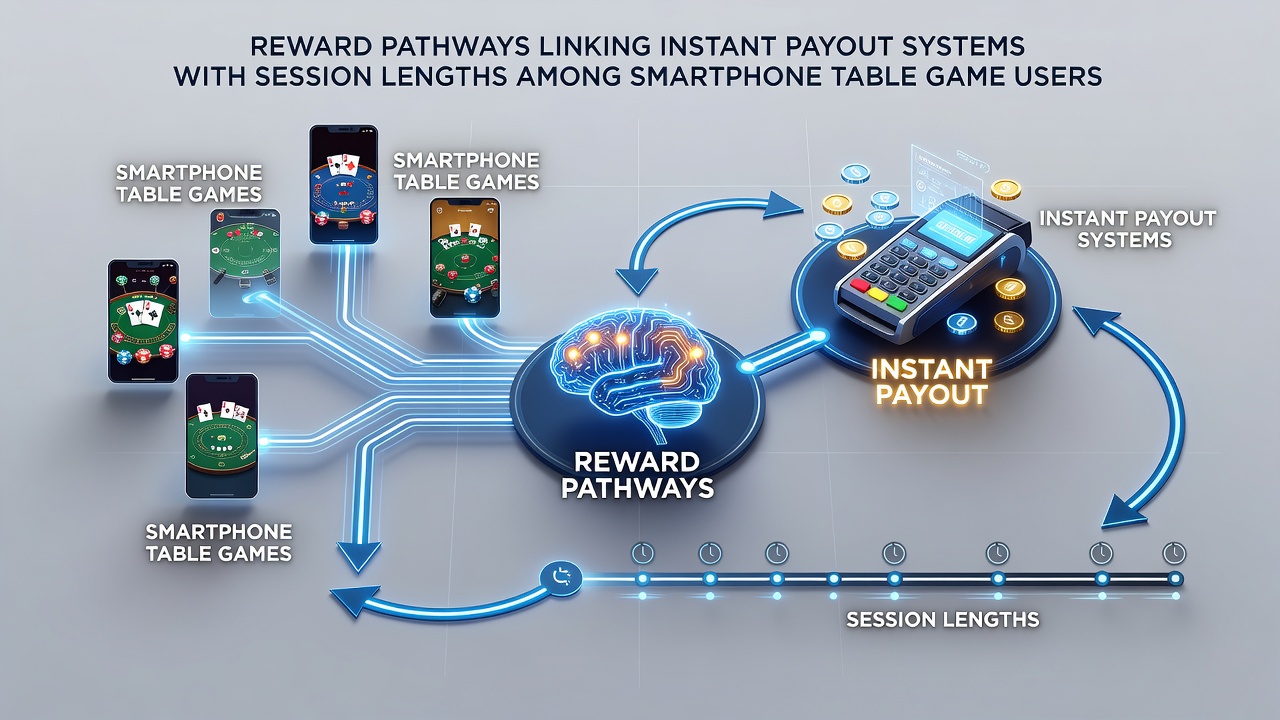
Longitudinal datasets collected through app analytics indicate that smartphone table game sessions incorporating instant payout systems average 42 minutes compared with 31 minutes for sessions without such features, and the difference appears most pronounced among users aged 25 to 34. The Canadian Centre on Substance Use and Addiction published findings in early 2026 that linked rapid reward delivery to measurable increases in consecutive game rounds before voluntary breaks occur. These patterns emerge consistently whether users play in portrait or landscape orientation, suggesting the payout timing exerts influence independent of device handling preferences.
Breakdown by game type shows roulette sessions extending more dramatically than blackjack when instant payouts activate, possibly because the higher frequency of smaller wins creates repeated dopamine responses within shorter timeframes. Mobile operators report that users who enable instant payout options return to active play 1.4 times more often within the same hour after a cashout, compared with those who select standard processing. Such return rates contribute to cumulative session length growth across multiple discrete logins throughout a day.
Neurochemical and Behavioral Correlations
Experts examining reward pathways note that instant payouts bypass the anticipation period traditionally associated with slower banking confirmations, which shifts the dopamine surge to coincide directly with the moment of game resolution. This temporal alignment strengthens the learned association between continued play and rapid reinforcement, a mechanism described in addiction science literature from the National Institute on Drug Abuse. Behavioral logs from smartphone platforms reveal that users frequently initiate new bets within four seconds of receiving an instant payout notification, shortening the natural pause intervals that occur during manual withdrawal processes.
Regional data collected in Asia-Pacific markets during June 2026 showed similar extensions in session length when local regulations permitted instant transfer features, and the consistency across regulatory environments points to the underlying reward pathway activation rather than jurisdiction-specific factors. Observers tracking retention metrics find that players who experience multiple instant payouts in one sitting demonstrate higher likelihood of extending their current session instead of closing the application after reaching a preset time or loss limit.
Conclusion
The documented connections between instant payout systems and extended smartphone table game sessions rest on measurable interactions between rapid financial feedback and established neural reward circuits. Evidence compiled from diverse geographic sources continues to map how these digital mechanics shape user behavior without requiring subjective interpretation. Continued monitoring of session telemetry alongside neuroscientific research will clarify the precise thresholds at which payout speed most strongly influences duration, providing objective benchmarks for platform design and regulatory consideration.