Tracing Correlations Between Loyalty Reward Structures and Game Transition Habits Among Portable Platform Users
Written by Cameron Schmidt · Jun 5, 2026
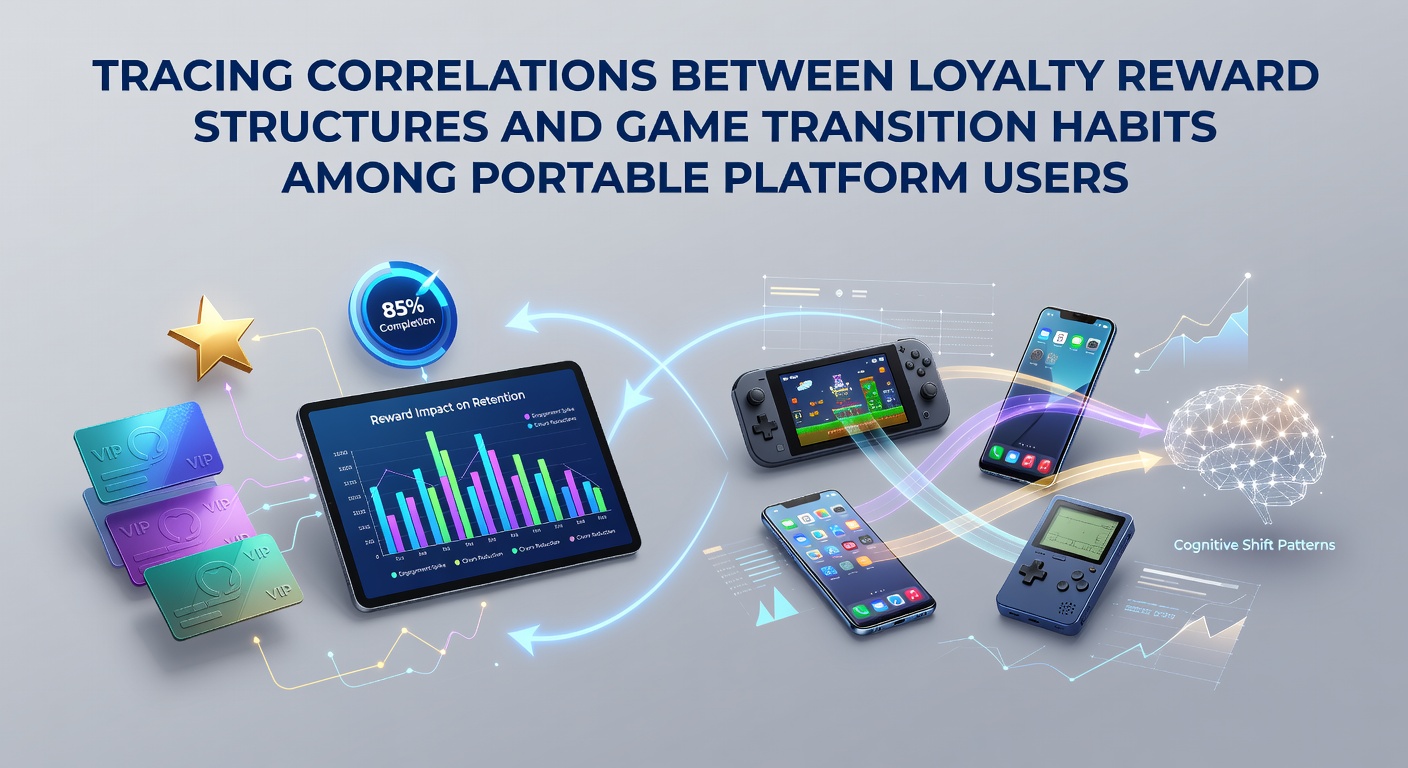
Tracing Correlations Between Loyalty Reward Structures and Game Transition Habits Among Portable Platform Users
Portable platforms continue to reshape how users engage with gaming applications as loyalty reward structures influence session behaviors and game switching patterns, and researchers have documented these interactions through multiple studies conducted across North America, Europe, and Asia-Pacific regions through mid-2026.
Loyalty Reward Structures on Mobile and Portable Devices
Operators design tiered loyalty programs that award points based on play volume, deposit frequency, and session duration, while portable platform users often receive accelerated rewards through daily login bonuses and achievement milestones that encourage repeated access from smartphones and tablets, and data from industry reports indicate that point accumulation rates vary by region with Canadian operators reporting higher redemption rates for bonus credits compared to European counterparts.
Users advance through bronze, silver, gold, and platinum tiers where each level unlocks cashback percentages ranging from 5 percent to 15 percent along with exclusive game access and personalized offers, and according to Canadian Gaming Association metrics, platinum tier members on portable platforms complete an average of 12 game sessions per week versus 7 sessions among entry-level participants.
Observed Game Transition Patterns
Transition habits refer to the sequence and frequency with which users move between game types during a single session, and portable platform analytics reveal that slot enthusiasts frequently shift to table games after 20 to 30 minutes of play when loyalty points reach specific thresholds, whereas poker users tend to remain in one category longer before exploring video poker variants.
Studies tracking over 250,000 portable device sessions in 2025 and early 2026 show that reward notifications trigger transitions in 62 percent of cases, with users moving from high-volatility slots to lower-volatility options after receiving tier-up alerts, and figures from the Australian Communications and Media Authority demonstrate similar patterns among mobile users in that region where bonus triggers coincide with increased cross-category exploration.
Documented Correlations in June 2026 Data Releases
Research released during June 2026 from multiple academic and regulatory sources highlights measurable links between reward density and transition velocity, and one analysis from Monash University examined 18 months of anonymized mobile app data to determine that users receiving weekly loyalty multipliers transitioned between games 34 percent more often than those on standard point structures.
Portable platform logs indicate that reward structures emphasizing time-limited bonuses correlate with shorter dwell times per game yet higher overall session counts, whereas flat-rate accumulation models produce longer stays within individual titles before users initiate switches, and observers note these differences appear consistent across both Android and iOS ecosystems.
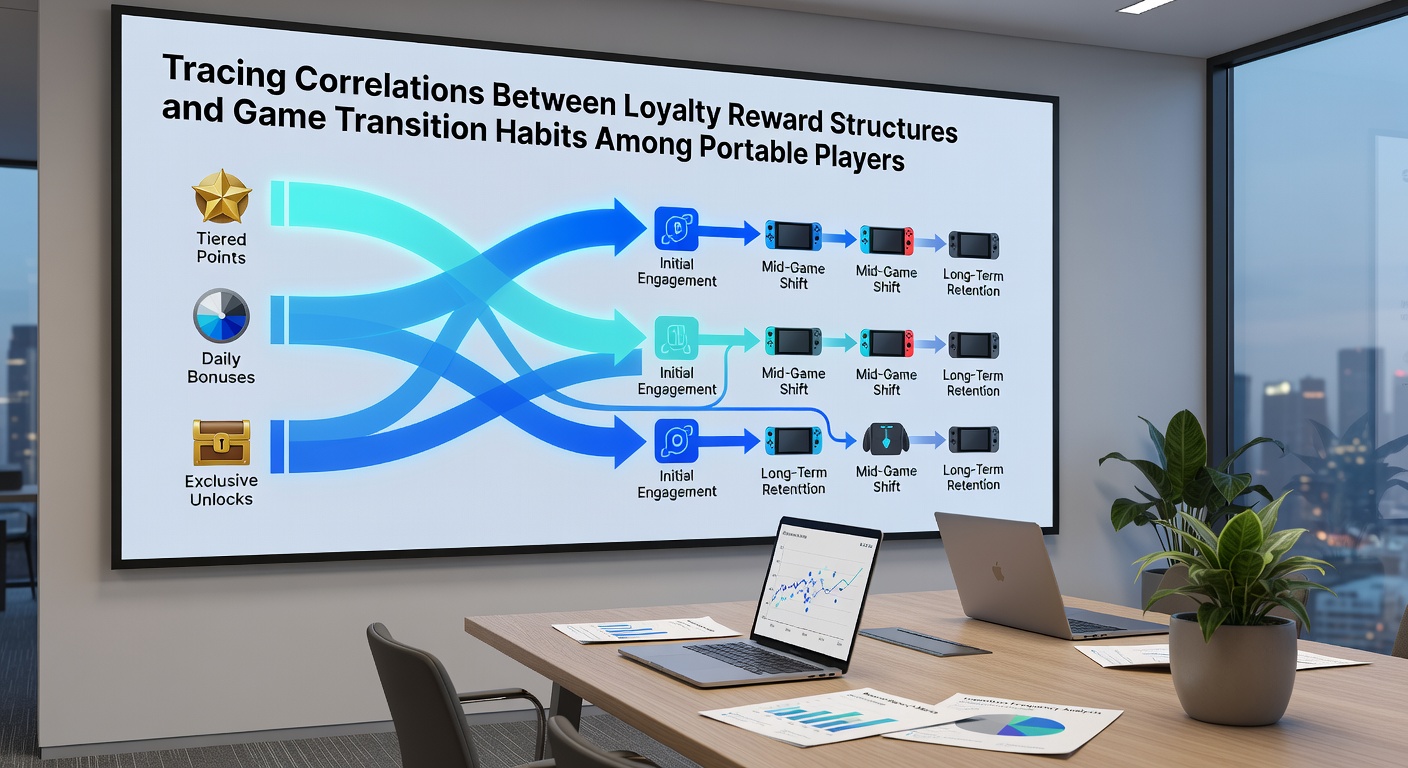
European operators participating in the study reported that users in higher reward tiers completed transitions at rates 1.8 times those of base-tier accounts, and the same dataset revealed seasonal spikes during summer months when portable usage increases due to travel and outdoor activity patterns.
Regional Variations and Platform-Specific Findings
North American portable platform users demonstrate stronger responses to achievement-based rewards that unlock new game categories, and transition data collected through June 2026 shows Canadian and U.S. markets recording elevated movement toward live dealer options once loyalty points exceed monthly targets, whereas Asia-Pacific users more frequently shift toward progressive jackpot titles following reward notifications.
Device type also influences outcomes because tablet users maintain longer sessions with fewer transitions compared to smartphone users who switch games at higher rates due to smaller screen navigation patterns, and regulatory summaries from the Ontario Lottery and Gaming Corporation confirm these device-based distinctions hold across multiple operator datasets.
Retention Metrics and Behavioral Indicators
Long-term retention improves when reward structures align with observed transition preferences, and portable platform operators report that users who receive tailored recommendations based on prior transition history maintain accounts 22 percent longer than those receiving generic offers, according to aggregated industry figures released in the first half of 2026.
Session length averages 47 minutes among users who transition at least twice per session when loyalty points contribute directly to in-game advantages, while single-game sessions average 31 minutes under identical reward conditions, and these patterns emerge consistently in both free-to-play and real-money portable environments.
Conclusion
Available data through June 2026 establish clear statistical relationships between loyalty reward density, tier progression speed, and the frequency plus direction of game transitions among portable platform users, and continued monitoring by regulatory bodies and academic researchers will further clarify how these correlations evolve as mobile technologies advance and new reward mechanisms enter the market.