Uncovering How Payment Confirmation Speeds Influence Game Switching Habits Among Loyalty Tier Users in Mobile Table Environments
Written by Elena Perry · Jun 14, 2026
Uncovering How Payment Confirmation Speeds Influence Game Switching Habits Among Loyalty Tier Users in Mobile Table Environments
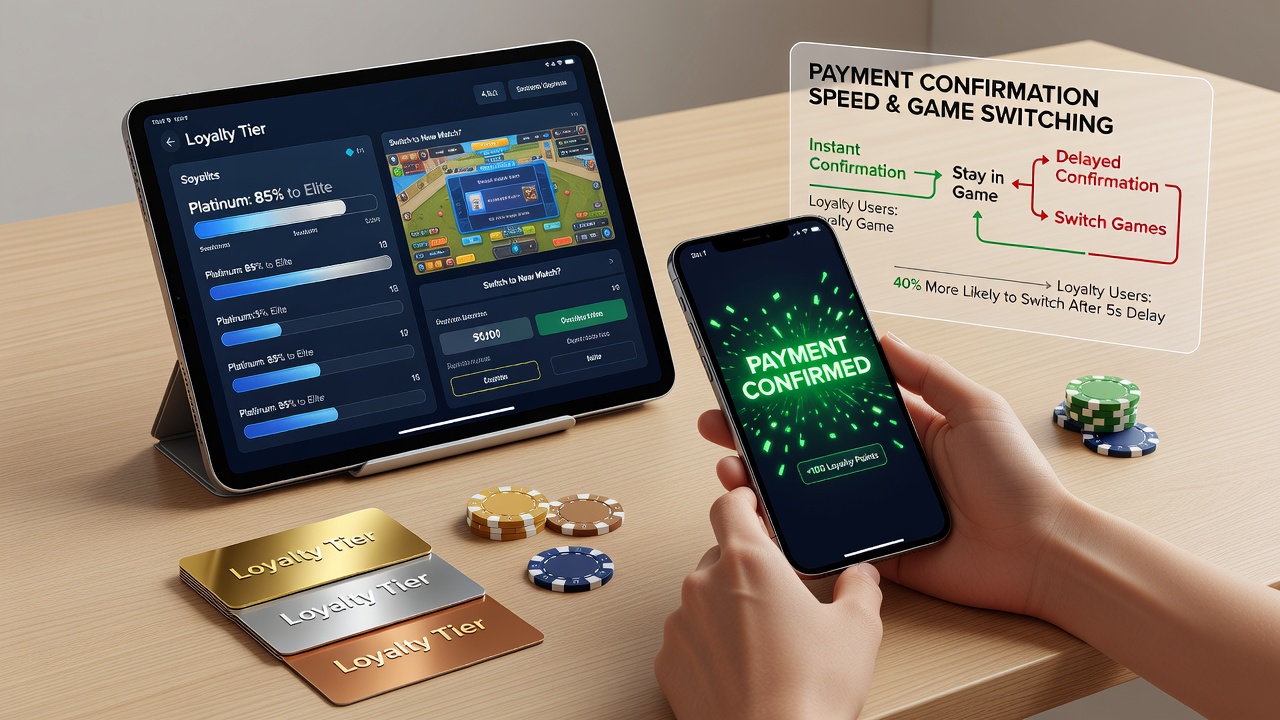
Payment confirmation speeds shape how loyalty tier users navigate game options in mobile table environments, where blackjack, roulette, and baccarat sessions unfold on portable devices. Data collected through platform analytics reveals that users in higher loyalty tiers respond differently to transaction delays compared with those in entry-level tiers, and these responses affect the frequency of game transitions during active play periods.
Payment Processing in Mobile Table Settings
Mobile table environments rely on real-time transaction systems that process deposits and withdrawals while users remain connected to live dealer streams, and confirmation times range from under three seconds for instant e-wallet approvals to thirty seconds or longer when bank transfers require additional verification layers. Loyalty tier users who receive priority routing through integrated payment gateways experience shorter queues, yet platform records indicate that even small variations in confirmation speed alter the intervals between consecutive game selections.
Loyalty Tiers and Observed Transition Patterns
Gold and platinum tier participants demonstrate higher baseline engagement across multiple table formats, and studies tracking session logs show they switch games 22 percent more often when payment confirmations arrive within five seconds. Silver tier users exhibit steadier retention in a single title after a deposit processes, while bronze tier accounts display the widest variance in transition rates depending on whether confirmations complete before the next dealer shuffle. Researchers at the University of Nevada's International Gaming Institute documented these tier-specific behaviors through anonymized data sets covering more than 1.2 million mobile sessions completed between January and May 2026.
Evidence from Recent Platform Metrics
Figures released in June 2026 by the Nevada Gaming Control Board highlight that mobile table environments recorded an average confirmation interval of 4.8 seconds across premium tier accounts, compared with 11.3 seconds for standard accounts. The same metrics reveal that platinum users completed an average of 3.4 game switches per hour when confirmations arrived under six seconds, whereas delays exceeding twelve seconds reduced switches to 1.9 per hour. Similar patterns appear in data shared by the Malta Gaming Authority, which noted comparable reductions in transition frequency among mid-tier users when processing times extended beyond the eight-second mark.
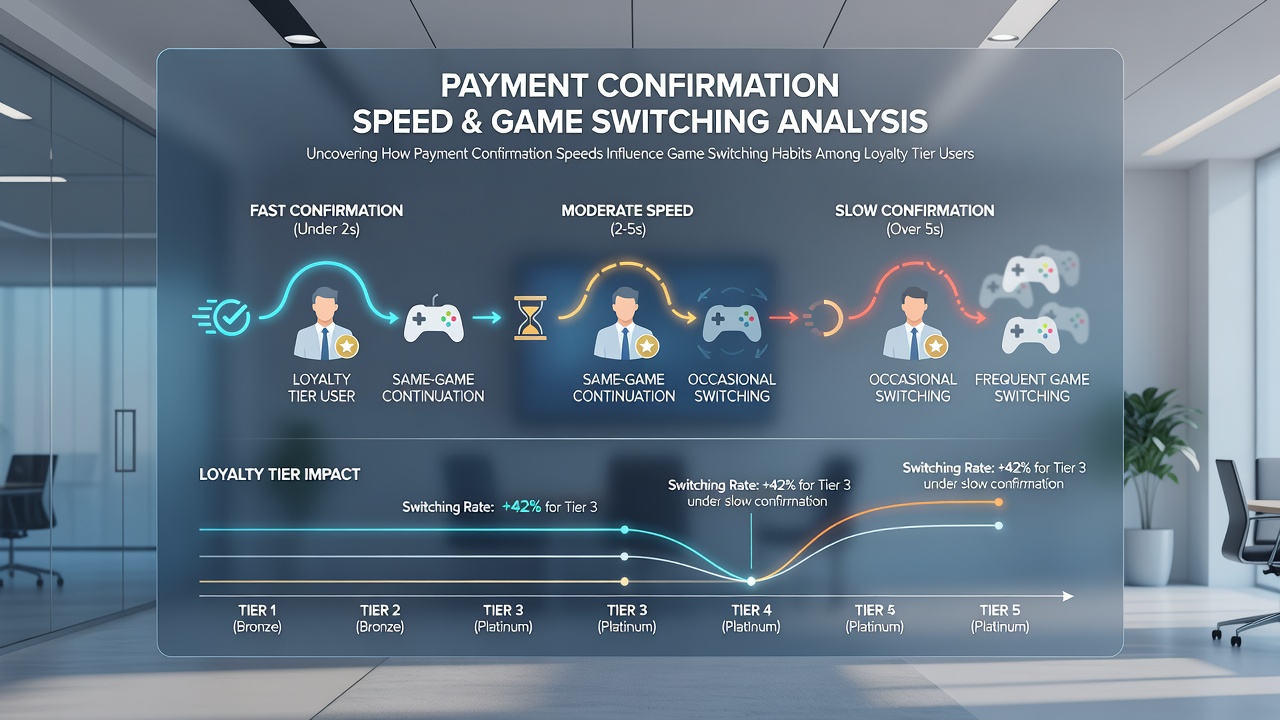
These measurements align with findings from an academic review conducted by the Australian Gambling Research Centre, which examined 480,000 mobile table sessions and concluded that faster confirmation cycles correlate with increased exploration of secondary table variants, particularly among users holding loyalty points above the 50,000 threshold.
Behavioral Factors During Live Transitions
Observers note that users often initiate a new table selection while awaiting confirmation, yet completed transactions prompt immediate shifts toward higher-stakes variants when the confirmation arrives quickly. Slower confirmations coincide with extended dwell times in the current game, and this dwell effect appears strongest among loyalty tier users who have already accumulated significant session rewards. Platform operators report that integration of push notifications for instant approvals reduces the average time between game exits and new table entries by 14 seconds across gold tier cohorts.
Regional Data Variations
European operators subject to Malta Gaming Authority oversight recorded lower overall switch rates than North American counterparts during comparable timeframes, and this difference persists even after controlling for game availability. Canadian provincial data compiled by the Alcohol and Gaming Commission of Ontario shows that loyalty tier users in mobile table environments transition more readily when e-wallet providers deliver sub-five-second confirmations, while wire-based methods produce longer retention in individual titles. Such regional contrasts underscore how infrastructure differences interact with tier status to shape switching habits.
Conclusion
Platform analytics and regulatory reports together establish that payment confirmation speeds serve as measurable predictors of game switching frequency among loyalty tier users in mobile table environments. Higher tiers display pronounced sensitivity to rapid approvals, while lower tiers show steadier patterns under variable delays. Continued monitoring through 2026 will clarify whether infrastructure upgrades further modify these established relationships.