Uncovering Patterns in Game Selection Influenced by Reward Structures Within Portable Casino Ecosystems
Written by Elena Perry · Jun 24, 2026
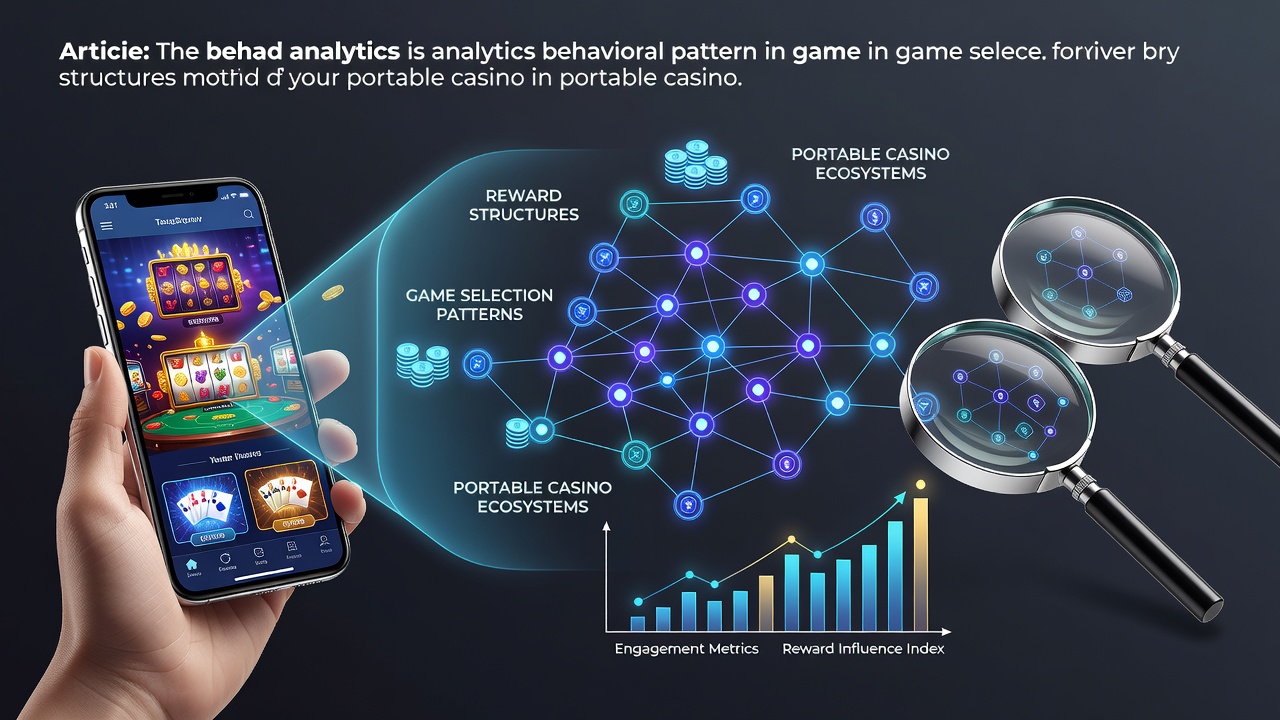
Uncovering Patterns in Game Selection Influenced by Reward Structures Within Portable Casino Ecosystems
Portable casino ecosystems have expanded rapidly since the widespread adoption of mobile applications, and reward structures now shape player decisions in measurable ways according to industry reports released in early 2026. Data from multiple jurisdictions shows that loyalty points, tiered bonuses, and progression systems steer selections toward specific game types rather than leaving choices entirely to personal preference. Observers note that these mechanics operate through algorithms that adjust payout frequencies and bonus triggers based on user engagement history, which in turn creates repeatable patterns across large player bases.
How Reward Mechanics Operate in Mobile Environments
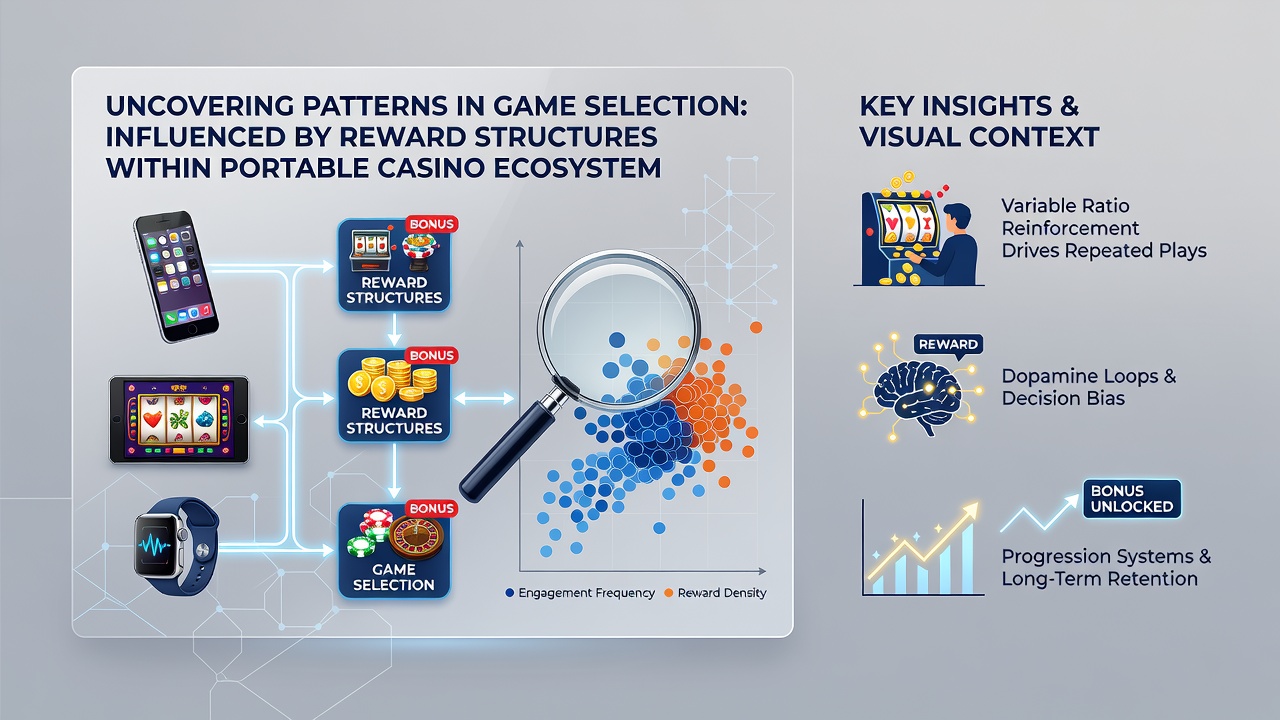
Portable platforms deliver rewards through real-time tracking of bets placed, sessions completed, and games accessed via smartphone or tablet interfaces, and this constant data flow allows operators to customize incentives for each account. Points accumulate faster on certain slots or table games during promotional windows, which encourages shifts in selection when users aim to climb loyalty ladders or unlock cashback tiers. Research from academic institutions indicates that players often transition from high-volatility options to steadier titles once they near reward thresholds because the structure rewards consistent play over sporadic high-stakes attempts.
June 2026 figures compiled by North American gaming authorities reveal that mobile sessions lasting under fifteen minutes correlate strongly with simplified reward displays that highlight immediate point multipliers, whereas longer sessions align with cumulative VIP progress bars that favor games with lower house edges during peak hours. These patterns emerge because the systems prioritize retention metrics, and operators adjust visible incentives accordingly without altering underlying random number generators.
Documented Shifts in Game Preferences
Analyses of transaction logs demonstrate that reward multipliers attached to video slots increase selection rates for those titles by measurable percentages during limited-time events, while table games such as blackjack or roulette see elevated engagement when loyalty programs tie cashback directly to house-edge calculations. One study released by researchers at the University of Nevada tracked over two million mobile accounts and found that users receiving personalized bonus notifications selected progressive jackpot games at nearly double the baseline rate during the first week after each notification.
Transitions between game categories occur most frequently when reward structures reset at the start of new calendar months or when portable apps push notifications about expiring points, and these moments produce spikes in roulette play among users previously focused on slots. Data indicates that Canadian provincial regulators recorded similar transitions in 2025, with mobile blackjack selections rising when operators linked table game wagers to faster accumulation toward higher VIP levels.
Regional Data and Platform Variations
European operators report that portable users in markets with strict responsible gambling overlays select lower-volatility games more often once reward dashboards display progress toward deposit-match bonuses, and this behavior holds across both Android and iOS ecosystems. Australian regulatory summaries from the same period highlight how state-based mobile platforms link free-spin rewards to specific slot libraries, which produces concentrated play within those libraries until users exhaust the allocated spins and then migrate toward other categories that still contribute to overall loyalty tallies.
Patterns also appear when portable casino apps integrate live dealer options, where reward credits earned during blackjack sessions convert into entry tickets for slot tournaments, prompting users to alternate between live and automated formats within single sessions. Figures released in June 2026 by the Nevada Gaming Control Board show that accounts receiving such cross-category incentives maintained longer average session durations than those limited to single-game rewards, and the difference appears consistently across demographic segments.
Technical Factors Behind the Patterns
Backend systems in portable ecosystems log every game switch and reward claim, then feed the information into predictive models that forecast which incentives will produce the next selection shift. These models rely on variables such as time of day, device type, and prior win frequency, which means identical reward structures can generate different outcomes depending on the individual account history. Industry organizations tracking these metrics note that the resulting patterns stabilize after roughly thirty days of consistent mobile use, at which point users exhibit predictable preferences tied directly to the structure rather than to initial novelty.
Security protocols and instant banking confirmations further influence timing because reward claims processed through e-wallets complete faster than wire transfers, allowing players to reinvest points into new game selections without leaving the application. This seamless flow reinforces the observed cycles between high-reward slots and table games that contribute toward tier advancement.
Conclusion
Patterns in game selection within portable casino ecosystems arise directly from the design of reward structures, as evidenced by transaction data and regulatory summaries gathered through mid-2026. Mobile platforms continue to refine these systems using accumulated behavioral records, which produces measurable and repeatable shifts between game categories as users respond to point multipliers, tier progressions, and cross-format incentives. Future updates to these ecosystems will likely build on the same foundational mechanics while incorporating additional variables from regional compliance requirements.